Mouse pups’ early Beethoven exposure rewires music taste by sex

**Corrected issues:** 1. “grew up and avoided music outright”, awkward phrasing, tightened to “avoided music outright as adults” for clarity (they were already described as adults). 2. “fewer/less”, “The more strongly a female’s auditory cortex responded… the less she liked it” is correct (uncountable liking), no change needed. 3. Minor comma and flow fix in … Read more

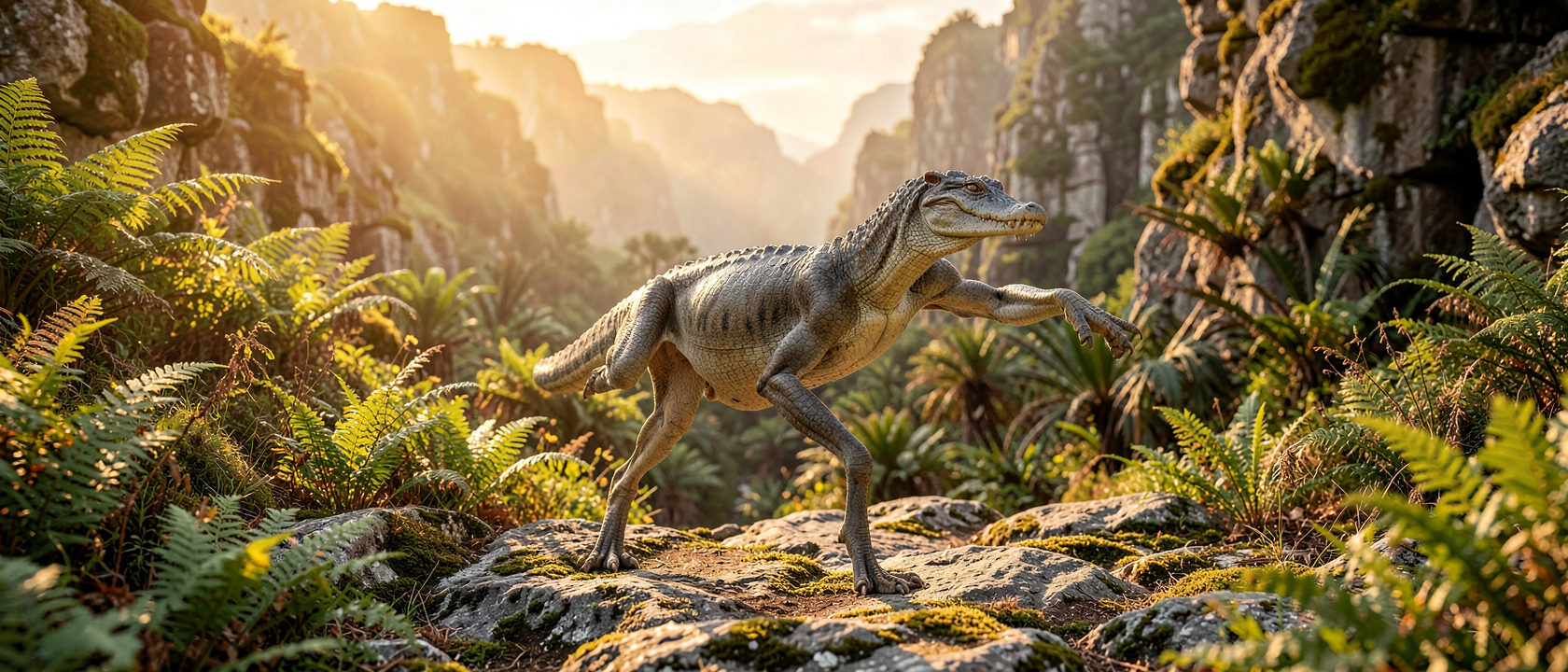
Misfiled since 1969, fossil turns out to be new croc relative Galahadosuchus jonesi

A fossil pulled from a quarry in Gloucestershire, England, in 1969 has been sitting in the Natural History Museum’s collection under someone else’s name for more than fifty years. It was cataloged as Terrestrisuchus gracilis, a small, land-dwelling Late Triassic crocodylomorph already well known from the same site. It was not Terrestrisuchus. Nobody checked closely … Read more

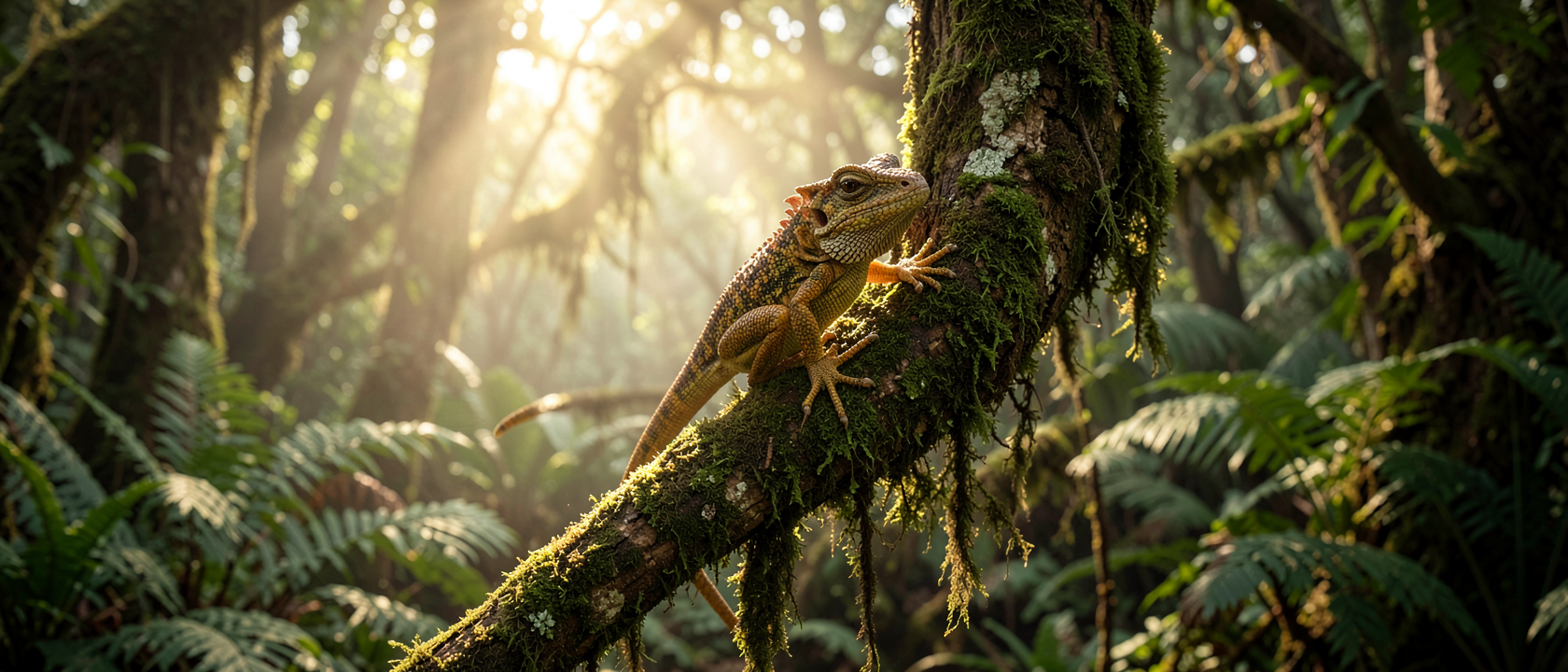
Sphenodraco scandentis was split between London and Frankfurt for 60 years

Two Halves, Hundreds of Miles Apart A rhynchocephalian skeleton pressed into limestone in Germany’s Solnhofen Archipelago spent decades split between two countries without anyone noticing it was one animal. One slab sat in the Senckenberg Museum in Frankfurt, cataloged as SMF R414. The other, cataloged as NHMUK PV R 2741, sat in the Natural History … Read more

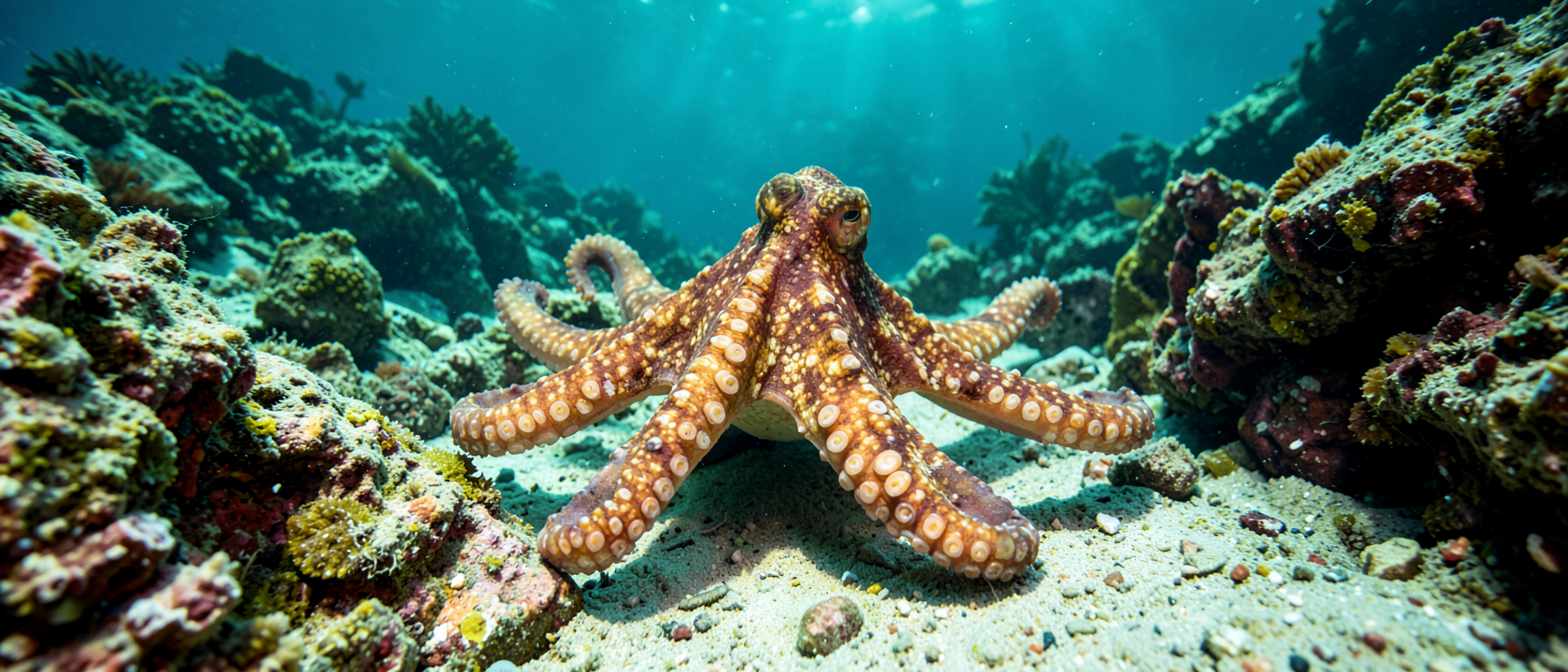
Octopuses use front arms to explore, rear arms to walk

Eight Identical Arms. Two Different Jobs. Sixty-four percent of everything a wild octopus’s arms do comes from the front four alone. The rear four cover the other 36 percent, and the two halves are doing almost entirely different jobs. Chelsea Bennice, a research fellow at Florida Atlantic University working with the Marine Biological Laboratory in … Read more