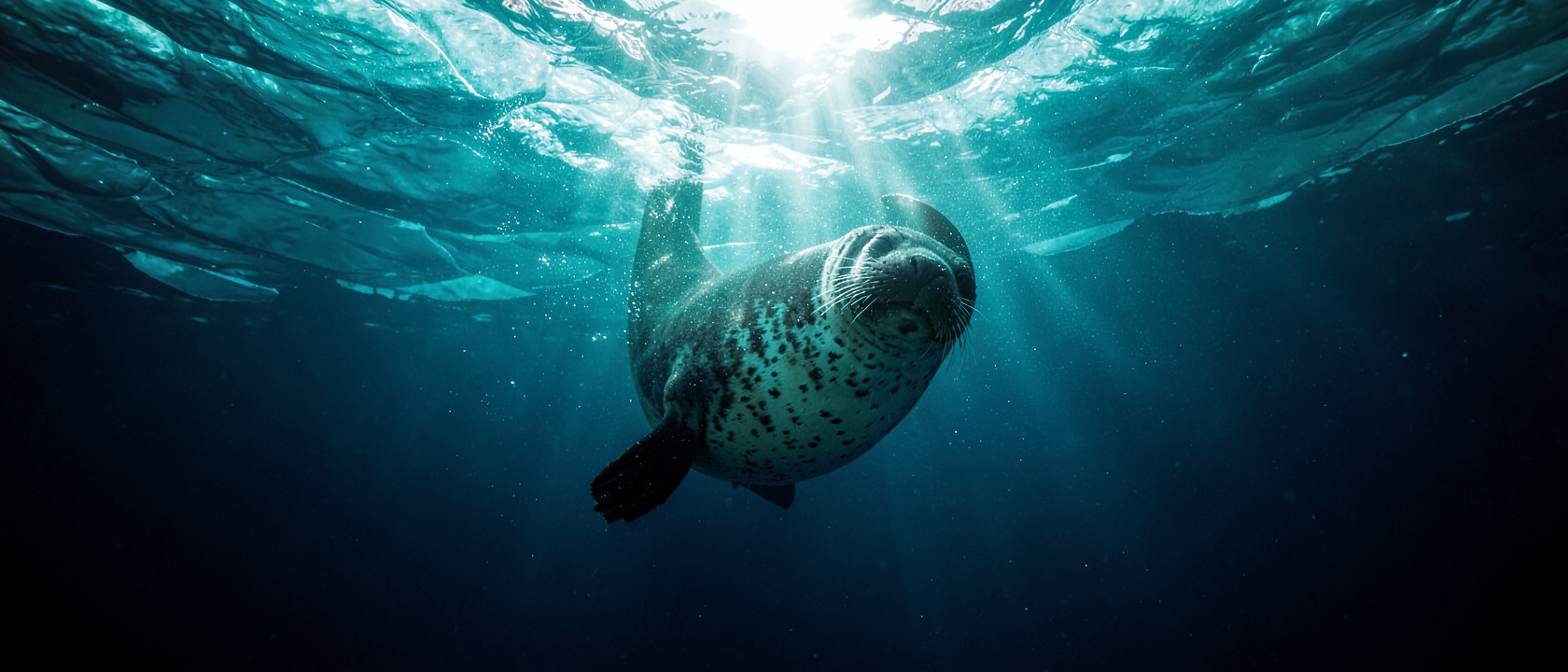
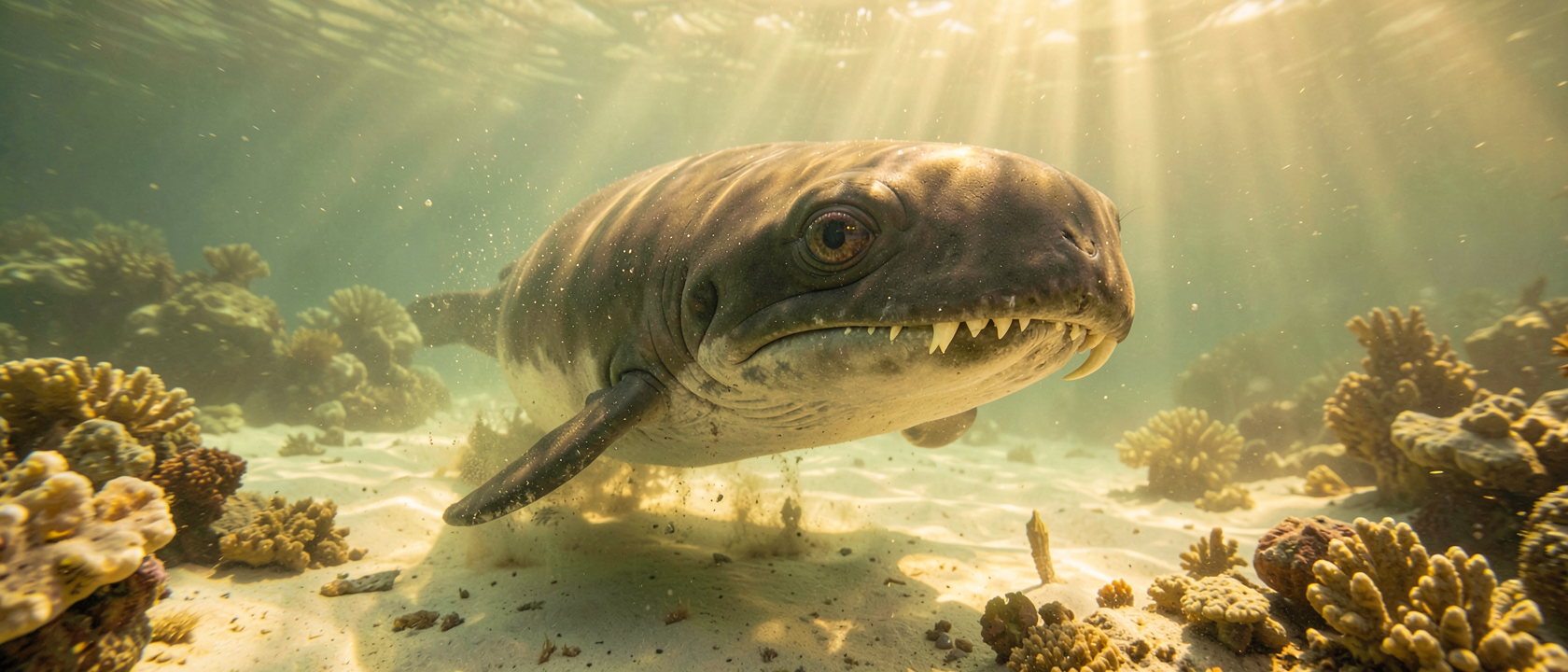
Weddell seals dive 900 m deep before noon, not during it

The Animal That Rests at Peak Hour A Weddell seal (Leptonychotes weddellii) can hold its breath for 96 minutes and reach depths exceeding 2,952 feet (900 meters), and it systematically avoids deploying those capabilities when hunting conditions are best. A 2024 study in Communications Biology, led by Michelle Shero at Woods Hole Oceanographic Institution with … Read more

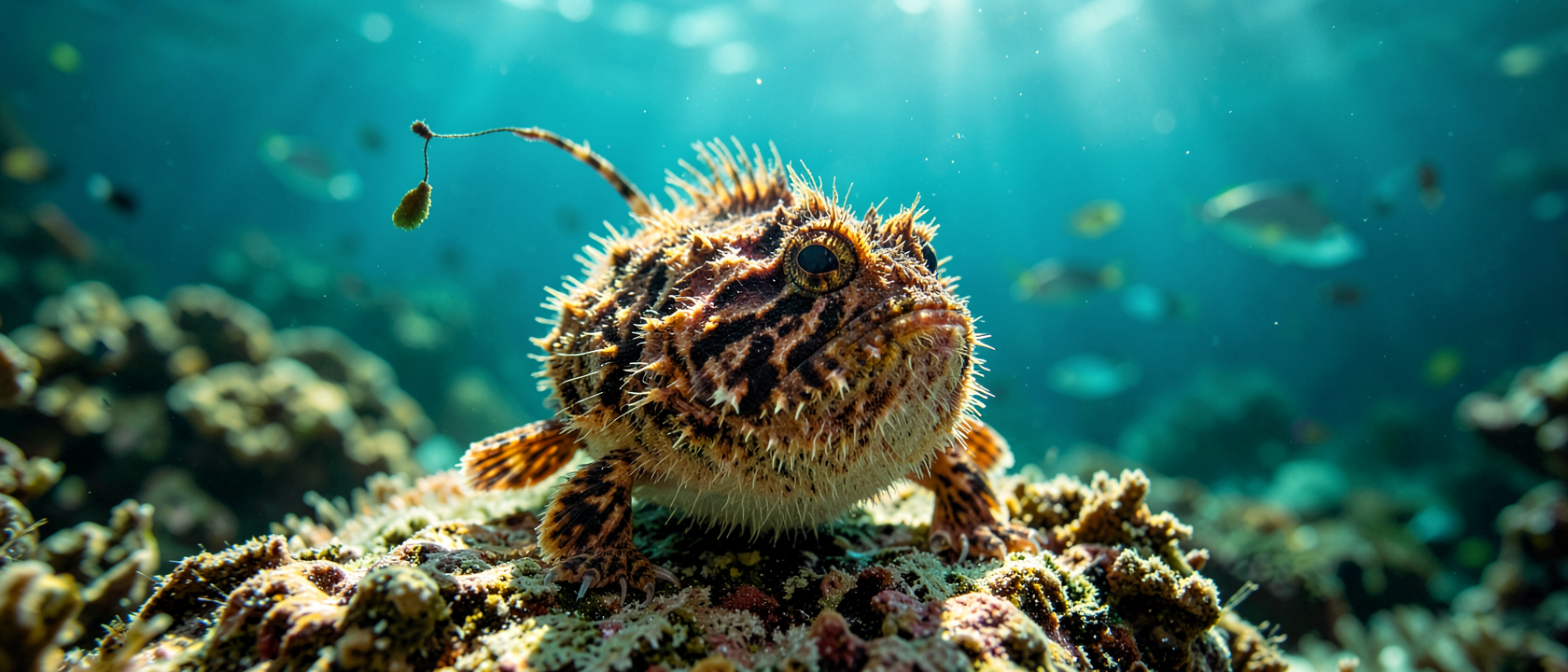
Frogfish lure neurons migrated to a zone no vertebrate fin uses

A fishing rod that rewired the spinal cord Vertebrate motor neurons are predictable residents. In every species studied so far, the neurons commanding each fin or limb occupy a characteristic zone in the ventral horn (the anterior region of the spinal cord’s gray matter that governs movement). Dorsal-fin neurons cluster at the ventrolateral zone, the … Read more

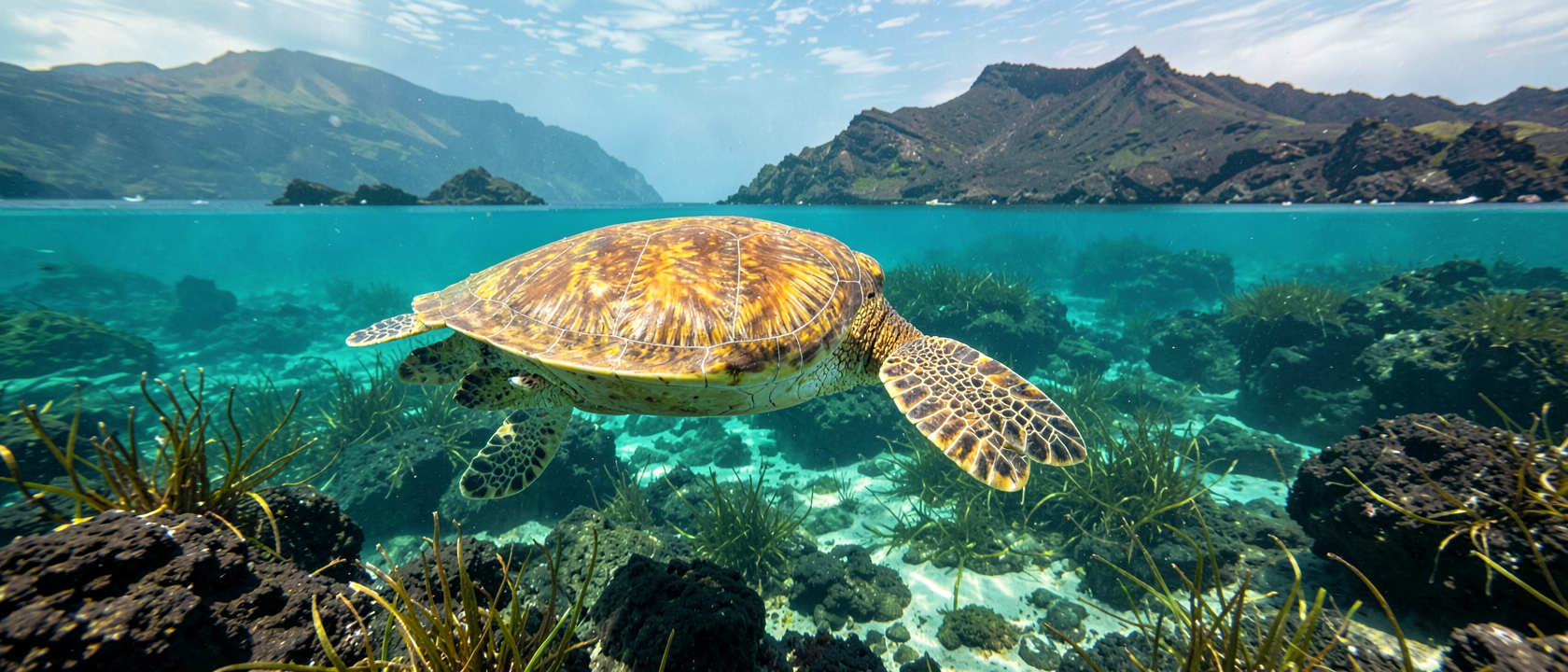
Galápagos yellow sea turtles skipped migration for 3 straight years

Nine Turtles. Three Years. Nobody Left. All nine satellite-tagged yellow-morph green sea turtles (Chelonia mydas) tracked inside the Galápagos Marine Reserve stayed there for the entire study, not one crossed into open ocean, despite the expectation that at least some would eventually head west across the Pacific. That finding comes from a study published August … Read more

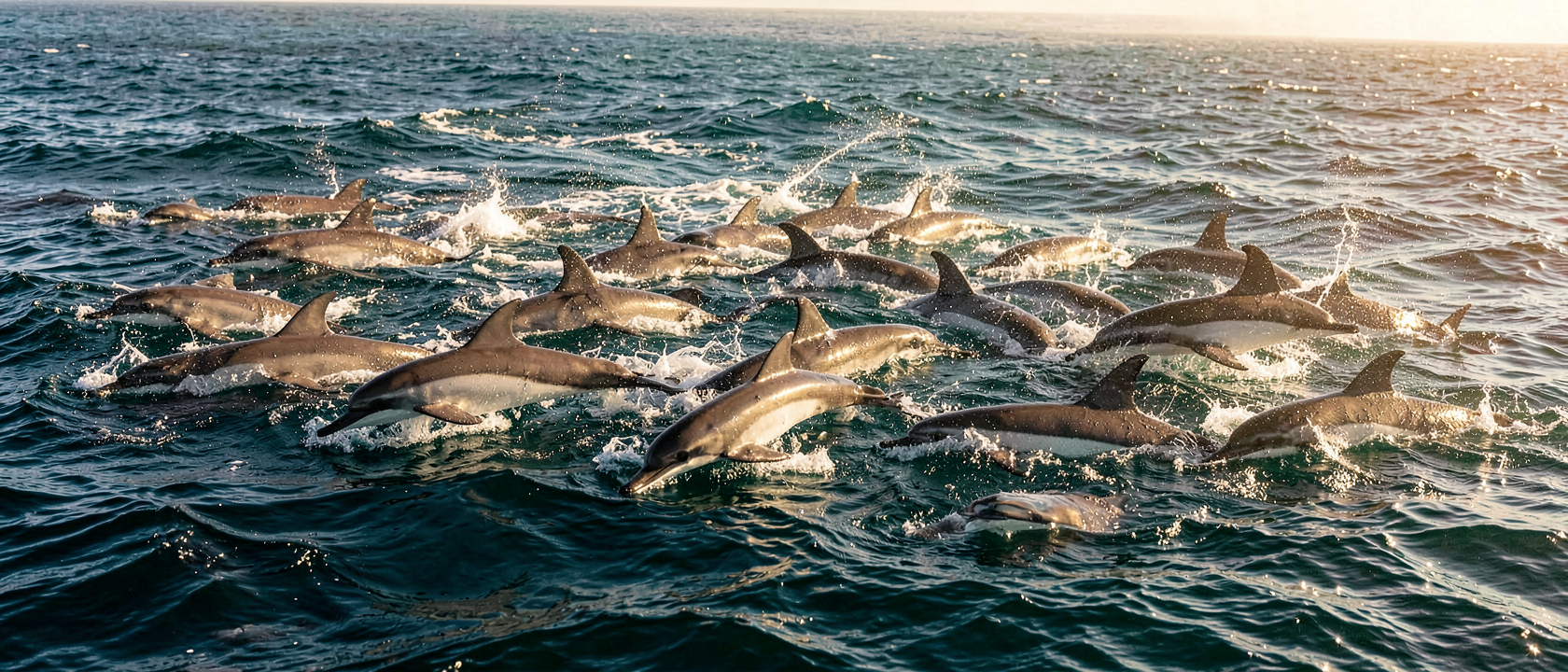
Common dolphins flee sonar the law calls harmless

The navy’s sonar wasn’t loud enough to be legal trouble, and the dolphins left anyway A study published October 23, 2024, in Royal Society Open Science ran controlled sonar exposures on 34 groups of short-beaked common dolphins (Delphinus delphis delphis) and long-beaked common dolphins (Delphinus delphis bairdii) off Santa Catalina Island, southern California, with groups … Read more

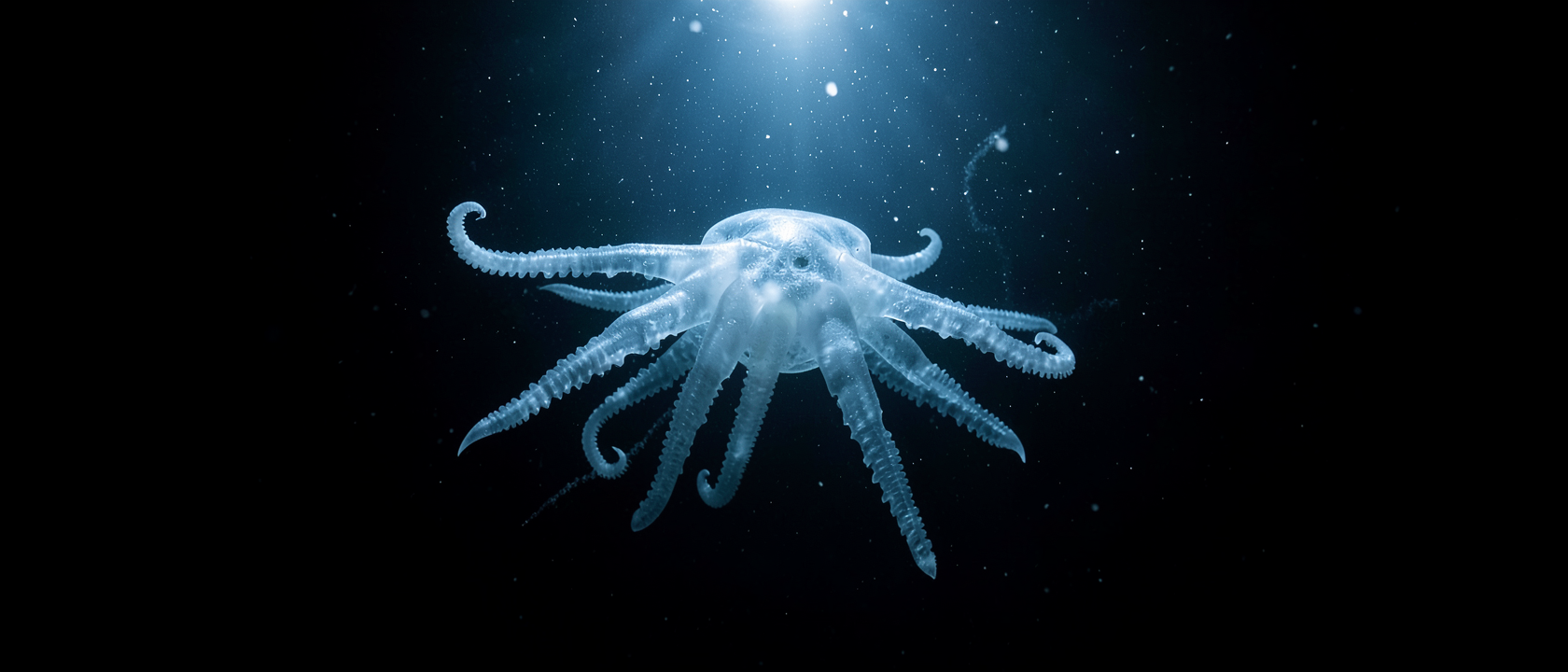
A baby colossal squid, 30 cm long, ended a 100-year mystery

A hundred years of nothing, then a baby For a century, the heaviest invertebrate on Earth existed, as far as science was concerned, as a collection of fragments: arm fragments from whale stomachs, beaks from whale and seabird stomachs, a few dead animals taken as bycatch. British zoologist Guy Coburn Robson formally described Mesonychoteuthis hamiltoni … Read more