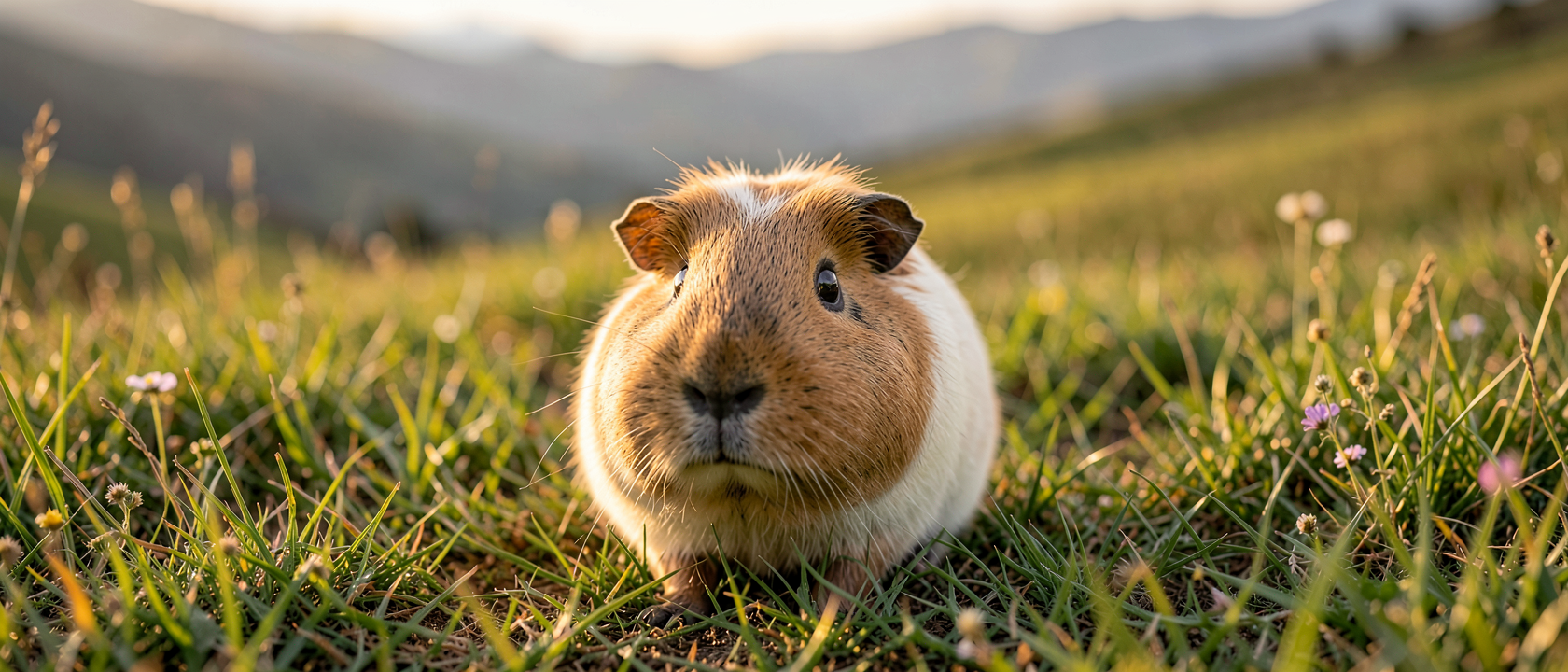
Guinea pig embryos mirror human ones gene for gene

The Small Animal That Embarrassed a Whole Field The animal that most closely mirrors the human embryo in its first week of development weighs, at most, 3.3 pounds (1,500 grams) and lives in a hutch. In April 2025, a team led by first authors Jesica Romina Canizo and Cheng Zhao, working across the University of … Read more

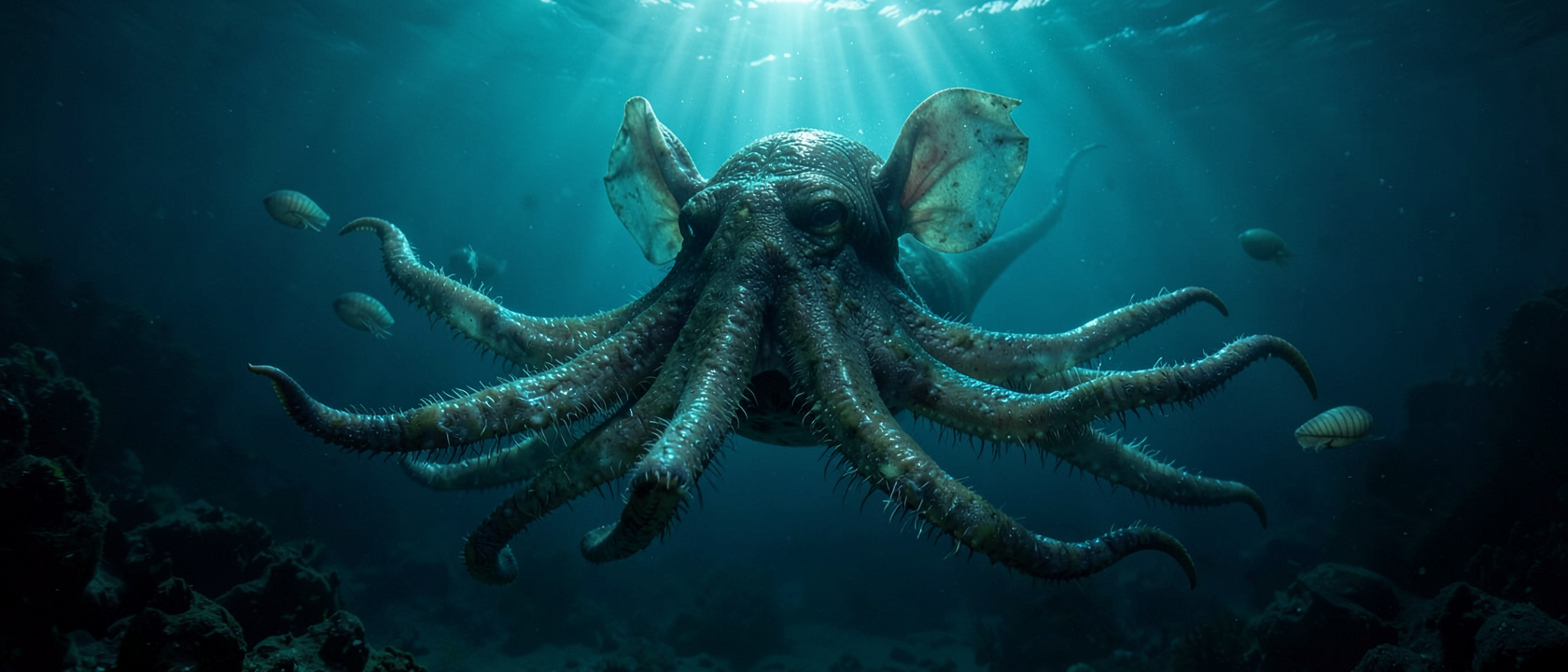
Fossil octopus *Nanaimoteuthis haggarti* was 61 ft long

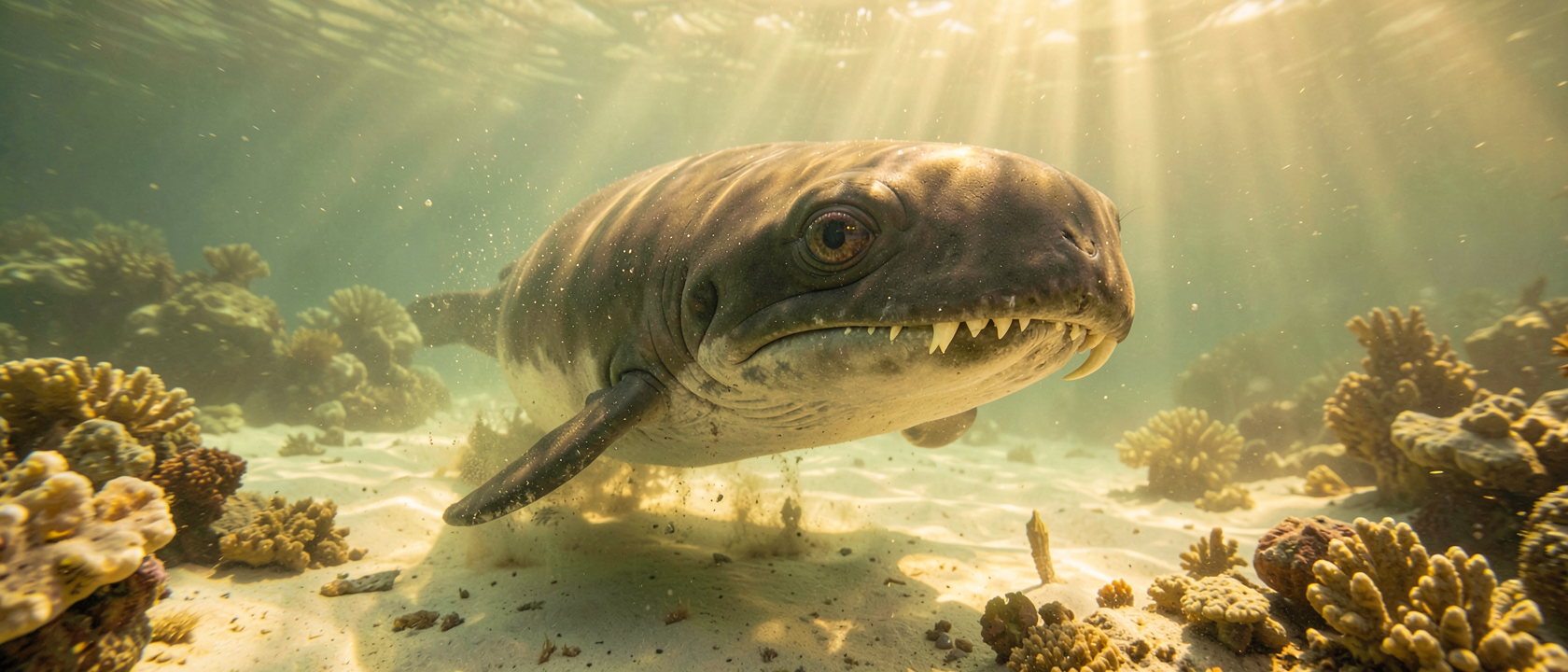
Nineteen Metres of Octopus A 2026 paper in Science by Ikegami et al. places Nanaimoteuthis haggarti at up to 61 ft (18.6 m) in total body length, longer than Mosasaurus hoffmannii, roughly 59 ft (18 m), which has occupied the apex of Cretaceous ocean reconstructions for decades. N. haggarti was a cirrate octopus, the finned … Read more

Weddell seals dive 900 m deep before noon, not during it

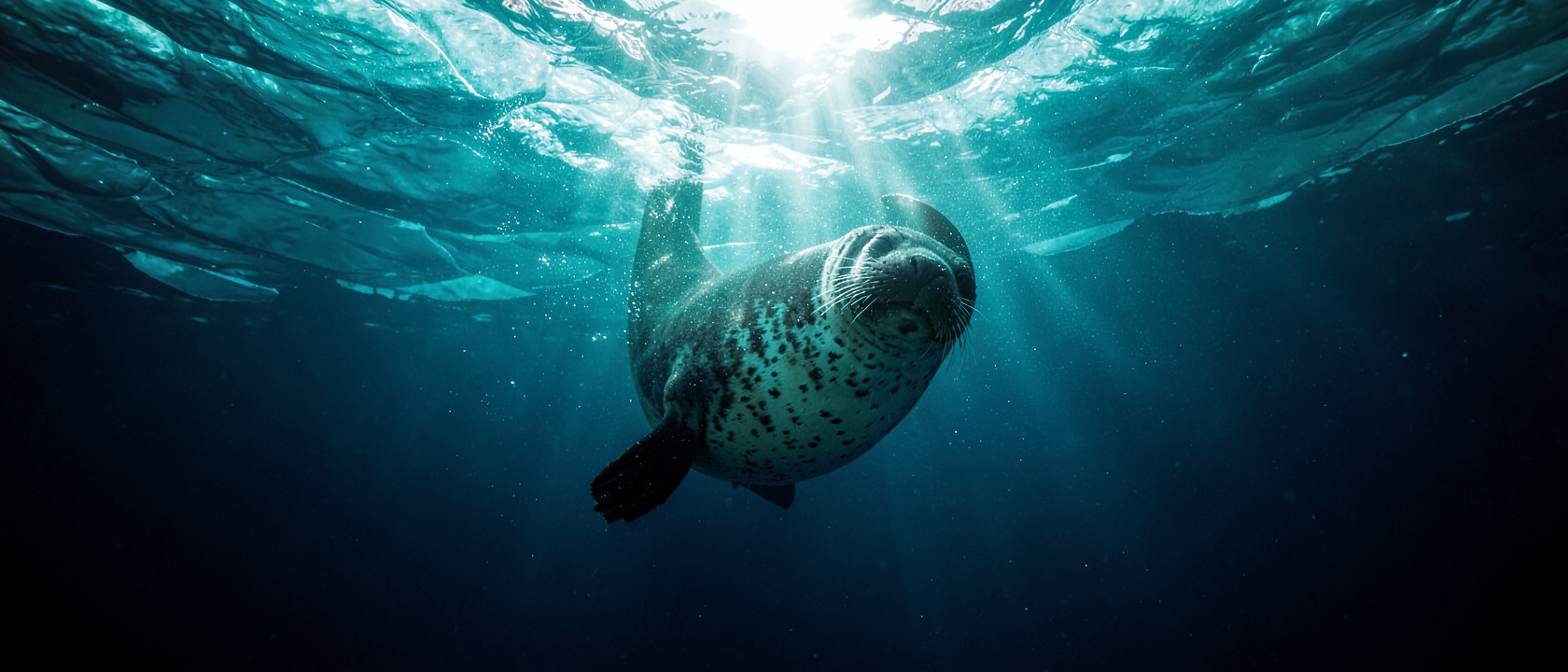
The Animal That Rests at Peak Hour A Weddell seal (Leptonychotes weddellii) can hold its breath for 96 minutes and reach depths exceeding 2,952 feet (900 meters), and it systematically avoids deploying those capabilities when hunting conditions are best. A 2024 study in Communications Biology, led by Michelle Shero at Woods Hole Oceanographic Institution with … Read more

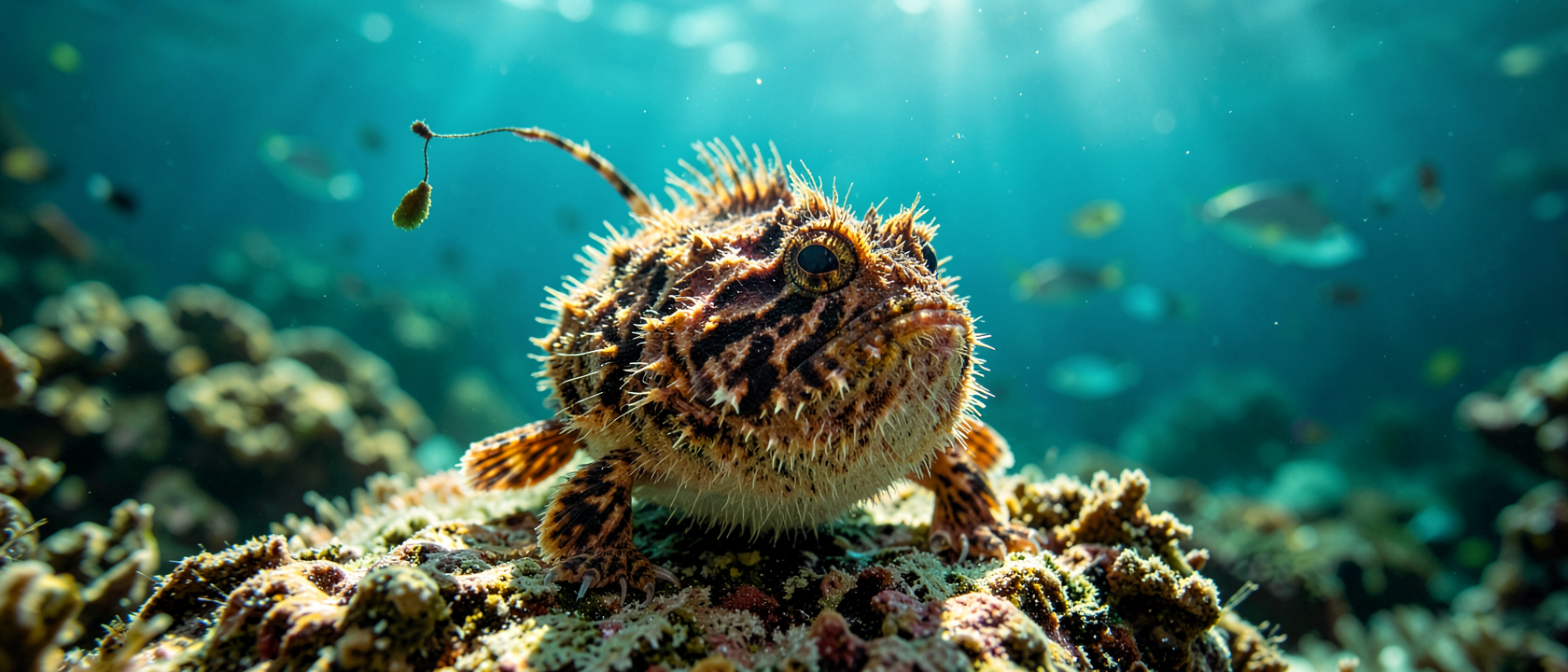
Frogfish lure neurons migrated to a zone no vertebrate fin uses

A fishing rod that rewired the spinal cord Vertebrate motor neurons are predictable residents. In every species studied so far, the neurons commanding each fin or limb occupy a characteristic zone in the ventral horn (the anterior region of the spinal cord’s gray matter that governs movement). Dorsal-fin neurons cluster at the ventrolateral zone, the … Read more