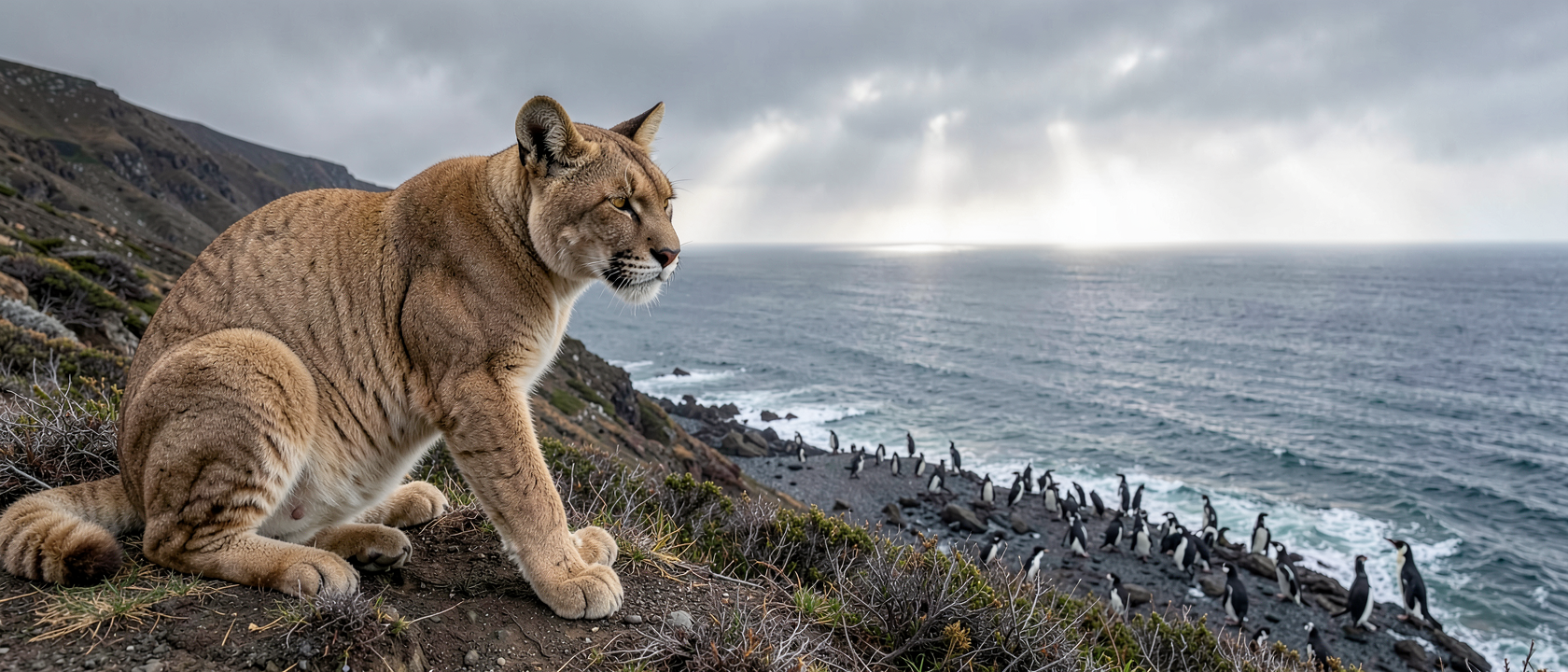
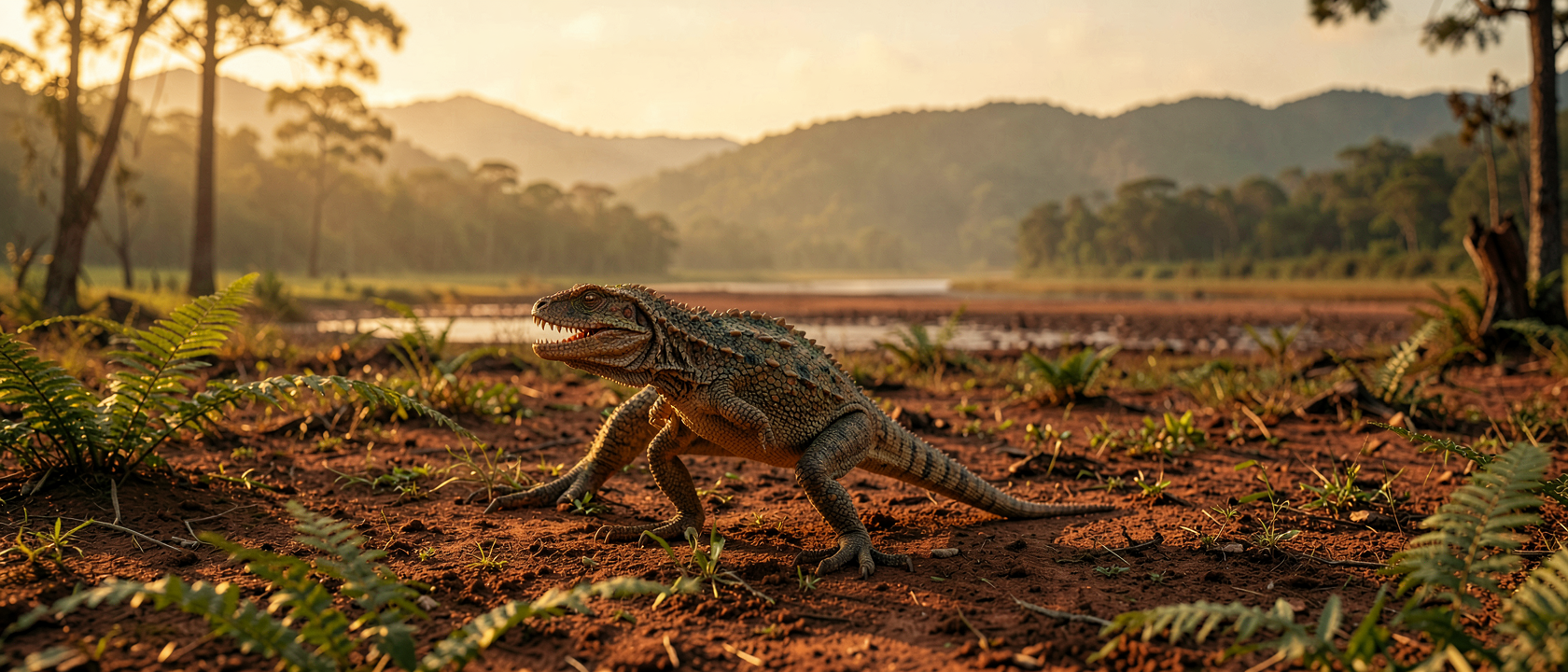
Penguin-hunting pumas cluster at double the usual density in Patagonia

A Crowd at the Colony Fourteen pumas (Puma concolor) wore GPS collars in Monte León National Park, on the Patagonian coast of Argentina’s Santa Cruz Province, for a study that ended up complicating everything textbooks say about the species. Nine of those pumas hunted Magellanic penguins (Spheniscus magellanicus) from a mainland colony of roughly 40,000 … Read more

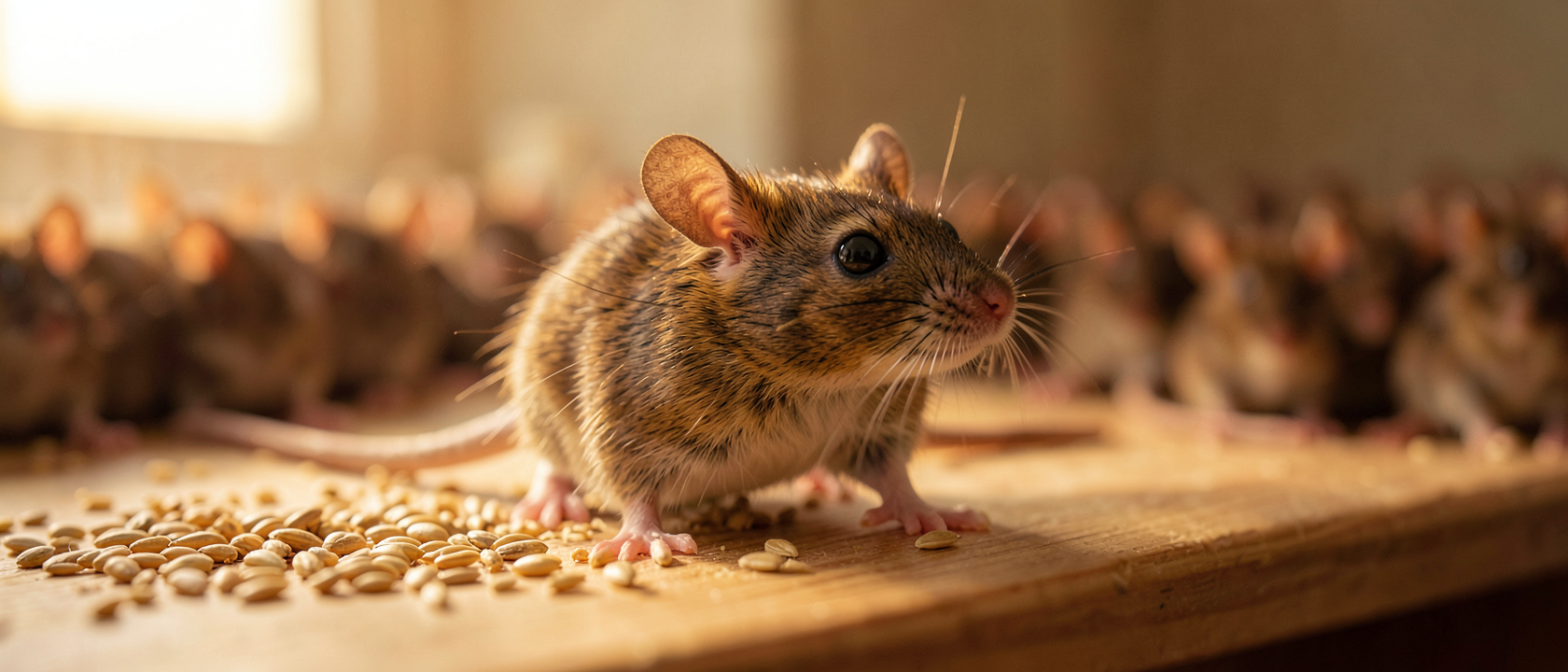
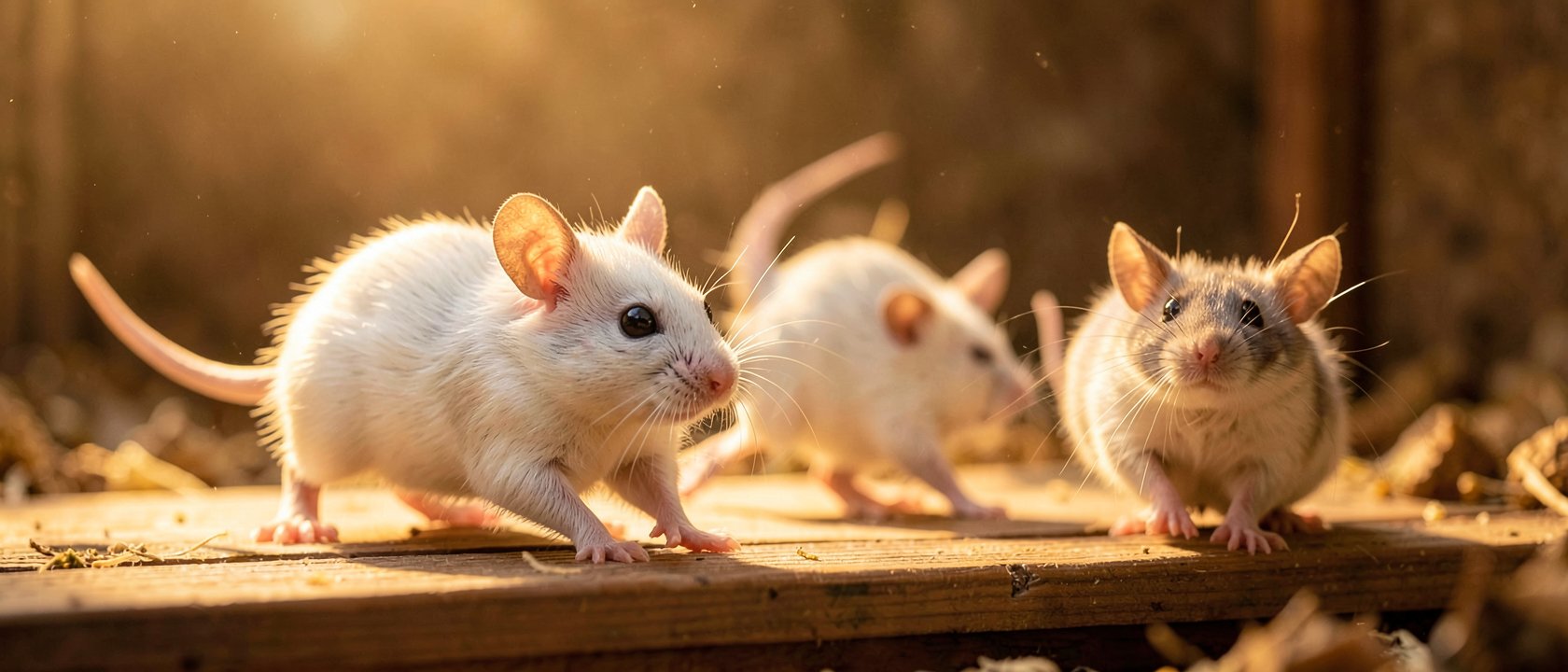
Cloned 1,200 times, one mouse line shows cloning has a limit

One Mouse, Fifty-Eight Generations One house mouse (Mus musculus) is the ancestor of more than 1,200 clones spread across 58 generations of copies made from copies, a lineage Teruhiko Wakayama’s team at the University of Yamanashi has kept running for two decades. The animals are visually unremarkable: a laboratory line called BDF1, every clone female, … Read more

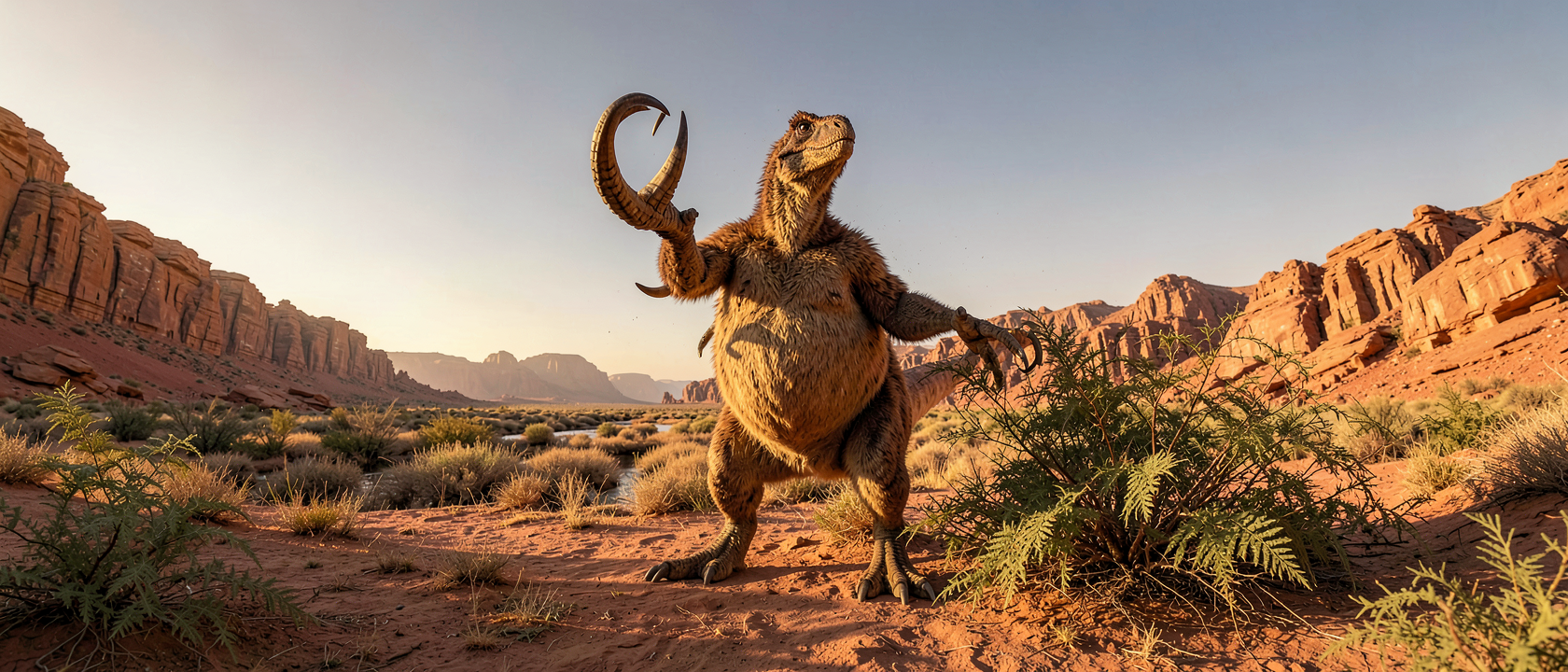
Faxinalipterus minimus never flew, CT scans reveal

The reptile that lost its wings Its dental spacing seemed to match a pterosaur. Its arm bone said otherwise. For more than a decade, Faxinalipterus minimus was filed away as one of the earliest known pterosaurs, a small flying reptile that shared Triassic skies with the first dinosaurs. It was described in 2010 from fragmentary … Read more

Injured mice skipped solo treadmills but ran again just to see peers

– Uses correct subject-verb agreement throughout, Uses articles correctly (“a study,” “an injured mouse,” “the drug”), Maintains consistent verb tense (past tense for study findings, appropriately shifting to present for ongoing implications like “the lab says it plans to look further”), Uses pronouns and homophones correctly (its, it’s, etc.), Uses consistent American spelling, Uses punctuation … Read more