
The Number
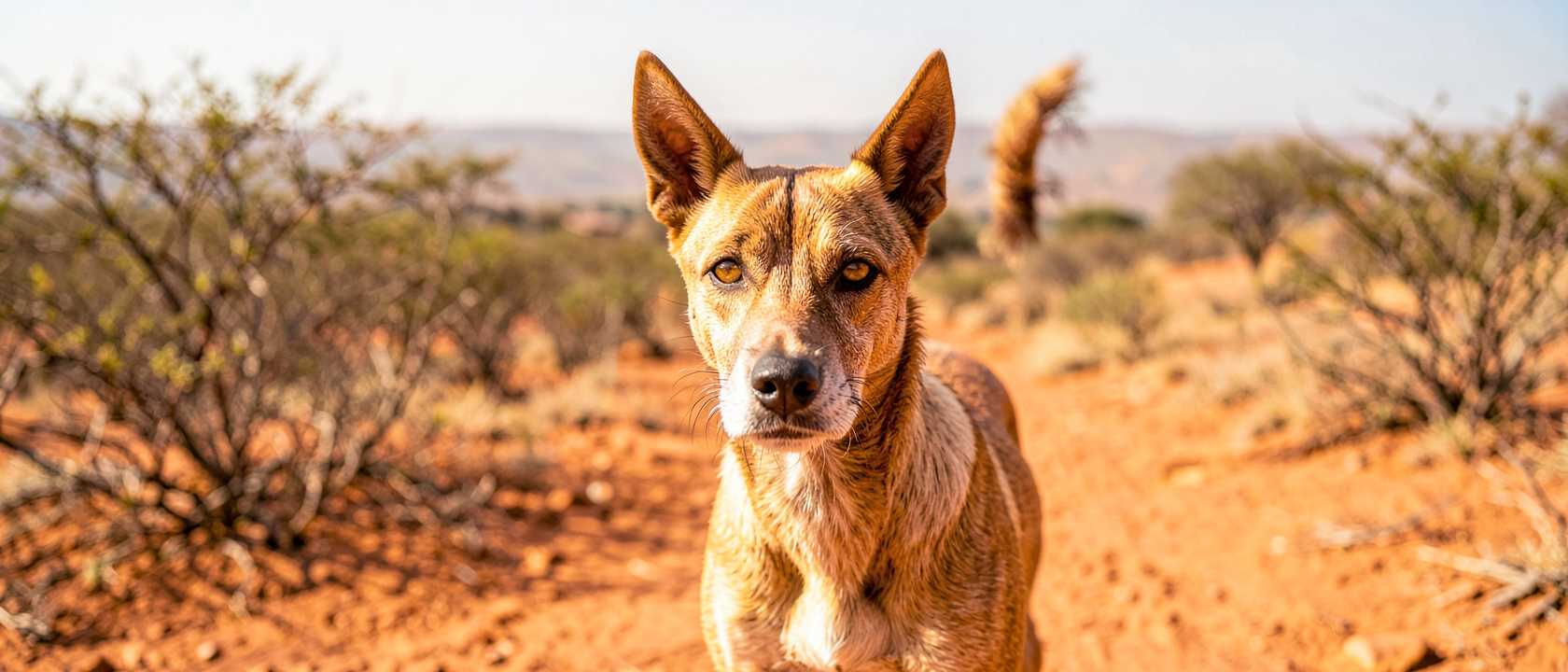
At a rabies vaccination clinic that moved through nine villages in Tanzania’s Mara region, a smartphone app correctly flagged 98.9% of the domestic dogs (Canis lupus familiaris) that had never been vaccinated, using nothing but a photo of each dog’s face. It also recognized 76.2% of the dogs that had already been vaccinated. The dogs in the study were microchipped, vaccinated, and registered as part of the clinic’s normal protocol. What the researchers were really testing was whether a photo could do the same identifying job in the field, without anyone pulling out a scanner. The result comes from a study led by Felix Lankester with Anna Maria Czupryna and colleagues at Washington State University, published in Scientific Reports in January 2024.
How a Phone Tells One Village Dog From Another
The app wasn’t built for rabies work at all. PiP My Pet, a pet-identification company based in Vancouver, designed it to reunite lost dogs and cats with their owners, and researchers at WSU’s Paul G. Allen School for Global Health adapted it for a vaccination campaign. The algorithm pulls a set of facial features out of a photo, then ranks every dog already filed in the archive by how closely those features match. It hands the operator a short list of candidates. The operator decides. The software proposes, it doesn’t rule.
At the Tanzania clinic, the team vaccinated and photographed 1,420 dogs, loaded them into the database, and discarded twenty unusable images, leaving 1,400 dogs on file. When the team later walked through the surrounding villages trying to re-identify dogs they’d already seen, the first pass caught only 65% of the vaccinated ones. The fix wasn’t a smarter algorithm. It was a cleaner archive: once blurry photos and wrong entries for a dog’s age, color, or sex were stripped out, the match rate for vaccinated dogs climbed to 76.2%. The dogs hadn’t changed. The filing had.
Why This Matters More Than a Cool Demo
Rabies kills an estimated 59,000 people a year, nearly all of them in Africa and Asia, and about 99% of those cases trace back to a dog bite. Stopping the disease at the source means keeping roughly 40% of a region’s dog population vaccinated at any given time, the threshold at which enough dogs are immune that the virus can’t chain from one animal to the next, sometimes called herd immunity. That number is simple to state and brutal to track when a campaign is working through villages full of thousands of free-roaming dogs, many with no fixed home and no owner standing by with paperwork. A phone that can confirm on the spot whether a dog has already been vaccinated lets a team spend its limited vaccine on the dogs that still need it, instead of guessing twice, or chipping the same dog for the second time.
The Collar Myth
The obvious answer sounds like a microchip or a collar, and the Tanzania clinic actually used microchips to register its dogs in the first place. But Lankester has pointed out that chips don’t scale: they cost too much to deploy across campaigns covering tens of thousands of dogs, and reading one in the field still means catching the dog and holding a scanner to its skin. Collars fail for a simpler reason: owners take them off. A collar only identifies a dog for as long as it stays on the dog, and in a free-roaming village population, that’s not long. Facial recognition isn’t an upgrade bolted onto those tools. It exists because those tools don’t scale to the problem rabies control actually faces, and a camera never needs to touch the dog at all.
Not Yet
The system still needs an internet connection, because every match is checked against an online database, which is exactly what many rabies-endemic regions don’t reliably have. Lankester’s team is working on compressing the matching engine small enough to run offline, but in the published study, that version doesn’t exist yet. The researchers also mention that the same facial-matching approach could, in principle, extend to other species and other disease-tracking efforts, though none of that has been tested. For now, the tool works best exactly where connectivity already exists, which is rarely where rabies does its worst damage.